Description
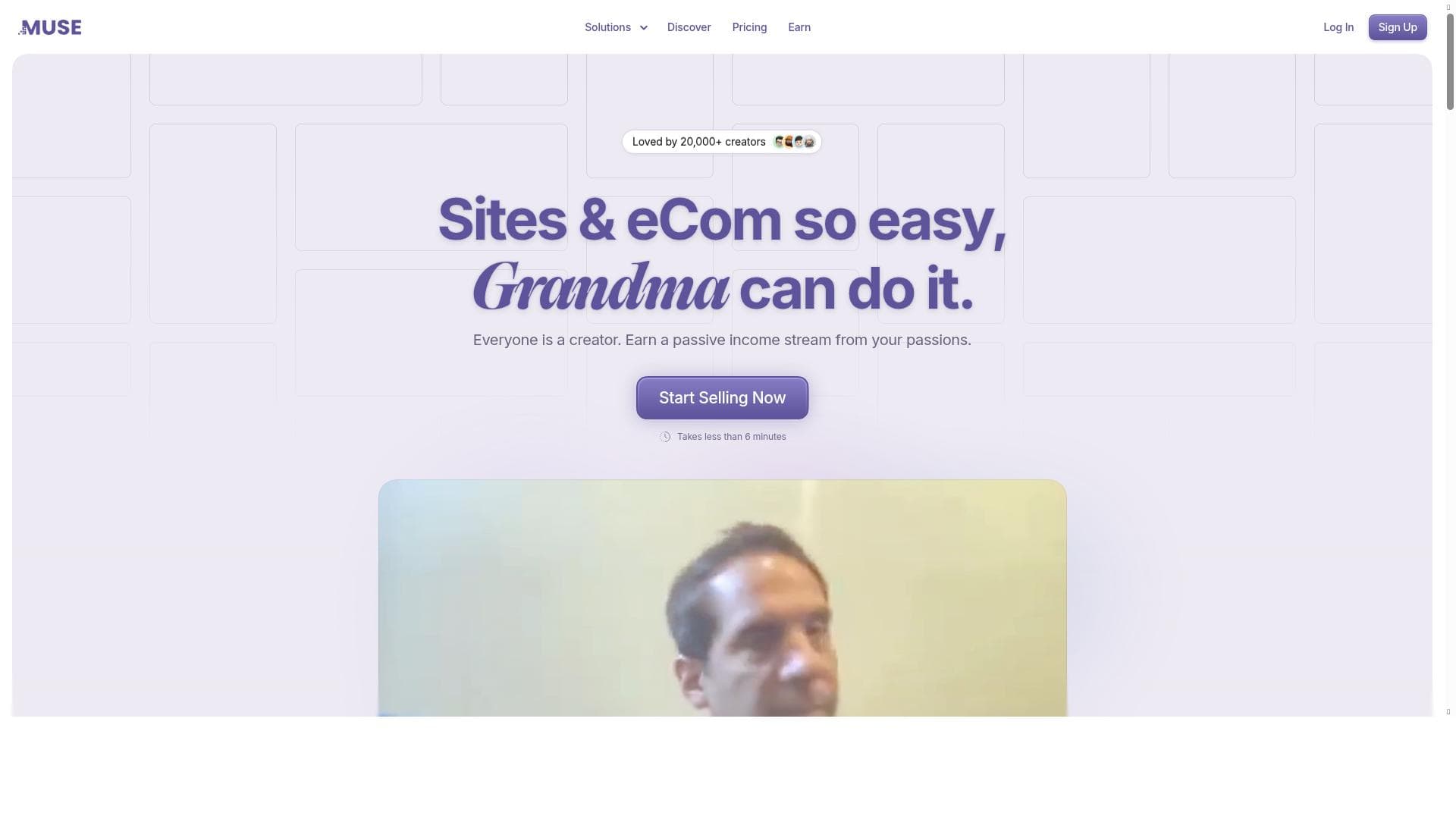
Muse is an AI-powered web page builder that enables users to create stunning, customizable pages quickly and easily, whether for public websites or private collaboration. Its intuitive block-based system and versatile features make it ideal for creators, entrepreneurs, and teams seeking a streamlined, accessible platform to build, sell, and share content.
Muse is an advanced AI-powered web page builder designed to simplify and accelerate the process of creating visually compelling and highly functional web pages. Its core purpose is to empower users, regardless of technical expertise, to build professional-quality websites, portfolios, blogs, and more within minutes. By leveraging artificial intelligence, Muse streamlines the traditionally complex web design process, enabling users to focus on content and creativity rather than coding or design intricacies. The platform’s intuitive drag-and-drop interface allows users to add customizable content blocks such as text, images, videos, social media posts, Google Docs, and even Venmo payment integrations, making it versatile for a wide range of applications. Key features of Muse include the ability to quickly build and sell products online, create courses, establish member-only areas, and offer digital downloads. These capabilities make Muse not just a website builder but a comprehensive platform for entrepreneurs, educators, and content creators looking to monetize their offerings. The block-based design system enhances flexibility, allowing users to tailor pages to their exact needs without requiring any coding knowledge. Additionally, Muse’s user-friendly interface is designed to accommodate beginners, making it accessible to those who may be intimidated by traditional web development tools. Muse is ideal for a diverse audience. Freelancers and creatives can use it to build portfolios or link-in-bio pages that showcase their work and social presence. Businesses can create company wikis or project collaboration spaces that improve internal communication and knowledge sharing. Educators and coaches benefit from Muse’s course creation and member area features, enabling them to deliver content and manage subscribers seamlessly. Bloggers and influencers can integrate social media and payment options to engage audiences and monetize content efficiently. This versatility positions Muse as a tool suitable for both public-facing websites and private organizational use. Regarding pricing, Muse operates on a freemium model, allowing users to start building pages at no cost with access to essential features. Paid plans unlock advanced functionalities such as enhanced customization, e-commerce capabilities, and expanded storage or member management options. This pricing structure makes Muse accessible to individuals and small businesses while scaling to meet the needs of more complex projects or larger teams. When compared to alternatives like Wix, Squarespace, or Webflow, Muse stands out due to its AI-driven approach and block-based modular design. While competitors offer drag-and-drop builders, Muse’s integration of AI simplifies content creation and page assembly, reducing the learning curve and speeding up the development process. Its focus on combining public web presence with private collaboration tools is also relatively unique, providing a hybrid solution that can serve multiple purposes within one platform. However, potential users should consider some limitations. As a relatively new platform, Muse may have fewer third-party integrations and templates compared to more established builders. Advanced users seeking deep customization through code might find Muse’s block system restrictive. Additionally, while the freemium plan is generous, some key features necessary for full e-commerce or course delivery might require upgrading to paid tiers. Nonetheless, Muse’s continual development and AI enhancements promise ongoing improvements and expanded capabilities. In summary, Muse is a powerful, AI-enhanced web page builder that democratizes web design by making it fast, flexible, and accessible. Its rich feature set supports a wide range of use cases from personal portfolios to business collaboration, making it an excellent choice for users who want to create and monetize web content without technical barriers.

Description
Muse is an AI-powered web page builder that enables users to create stunning, customizable pages quickly and easily, whether for public websites or private collaboration. Its intuitive block-based system and versatile features make it ideal for creators, entrepreneurs, and teams seeking a streamlined, accessible platform to build, sell, and share content.
Muse is an advanced AI-powered web page builder designed to simplify and accelerate the process of creating visually compelling and highly functional web pages. Its core purpose is to empower users, regardless of technical expertise, to build professional-quality websites, portfolios, blogs, and more within minutes. By leveraging artificial intelligence, Muse streamlines the traditionally complex web design process, enabling users to focus on content and creativity rather than coding or design intricacies. The platform’s intuitive drag-and-drop interface allows users to add customizable content blocks such as text, images, videos, social media posts, Google Docs, and even Venmo payment integrations, making it versatile for a wide range of applications. Key features of Muse include the ability to quickly build and sell products online, create courses, establish member-only areas, and offer digital downloads. These capabilities make Muse not just a website builder but a comprehensive platform for entrepreneurs, educators, and content creators looking to monetize their offerings. The block-based design system enhances flexibility, allowing users to tailor pages to their exact needs without requiring any coding knowledge. Additionally, Muse’s user-friendly interface is designed to accommodate beginners, making it accessible to those who may be intimidated by traditional web development tools. Muse is ideal for a diverse audience. Freelancers and creatives can use it to build portfolios or link-in-bio pages that showcase their work and social presence. Businesses can create company wikis or project collaboration spaces that improve internal communication and knowledge sharing. Educators and coaches benefit from Muse’s course creation and member area features, enabling them to deliver content and manage subscribers seamlessly. Bloggers and influencers can integrate social media and payment options to engage audiences and monetize content efficiently. This versatility positions Muse as a tool suitable for both public-facing websites and private organizational use. Regarding pricing, Muse operates on a freemium model, allowing users to start building pages at no cost with access to essential features. Paid plans unlock advanced functionalities such as enhanced customization, e-commerce capabilities, and expanded storage or member management options. This pricing structure makes Muse accessible to individuals and small businesses while scaling to meet the needs of more complex projects or larger teams. When compared to alternatives like Wix, Squarespace, or Webflow, Muse stands out due to its AI-driven approach and block-based modular design. While competitors offer drag-and-drop builders, Muse’s integration of AI simplifies content creation and page assembly, reducing the learning curve and speeding up the development process. Its focus on combining public web presence with private collaboration tools is also relatively unique, providing a hybrid solution that can serve multiple purposes within one platform. However, potential users should consider some limitations. As a relatively new platform, Muse may have fewer third-party integrations and templates compared to more established builders. Advanced users seeking deep customization through code might find Muse’s block system restrictive. Additionally, while the freemium plan is generous, some key features necessary for full e-commerce or course delivery might require upgrading to paid tiers. Nonetheless, Muse’s continual development and AI enhancements promise ongoing improvements and expanded capabilities. In summary, Muse is a powerful, AI-enhanced web page builder that democratizes web design by making it fast, flexible, and accessible. Its rich feature set supports a wide range of use cases from personal portfolios to business collaboration, making it an excellent choice for users who want to create and monetize web content without technical barriers.
Tool Features
- Build and sell online quickly
- Create courses
- Create member areas
- Offer digital downloads
- User-friendly for beginners
Frequently Asked Questions
What is Muse?
Muse is an AI-driven web page builder designed to help users create visually appealing and functional web pages quickly and easily, using customizable content blocks and an intuitive interface.
How much does Muse cost?
Muse offers a freemium pricing model, allowing users to start for free with basic features. Paid plans unlock advanced options such as enhanced customization, e-commerce tools, and member management.
Who is Muse best for?
Muse is ideal for freelancers, creatives, educators, entrepreneurs, and businesses looking to build websites, portfolios, online courses, member areas, or private collaboration spaces without needing coding skills.
What are the main features of Muse?
Key features include quick online store setup, course creation, member area management, digital download offerings, and an easy-to-use block-based editor supporting text, images, videos, social media posts, Google Docs, and Venmo integration.
Does Muse offer a free trial?
Muse operates on a freemium model, so users can start building and using the platform for free without a time-limited trial.
What integrations does Muse support?
Muse supports integrations with social media platforms, Google Docs, and Venmo for payments, among others, enabling versatile content embedding and monetization options.
How does Muse work?
Muse uses an AI-powered, block-based web page builder interface where users add and customize various content blocks to assemble pages quickly, without needing coding knowledge.
Socials
Use ToolSponsored Tools
















Reviews
No reviews yet. Be the first to share your experience.