Description
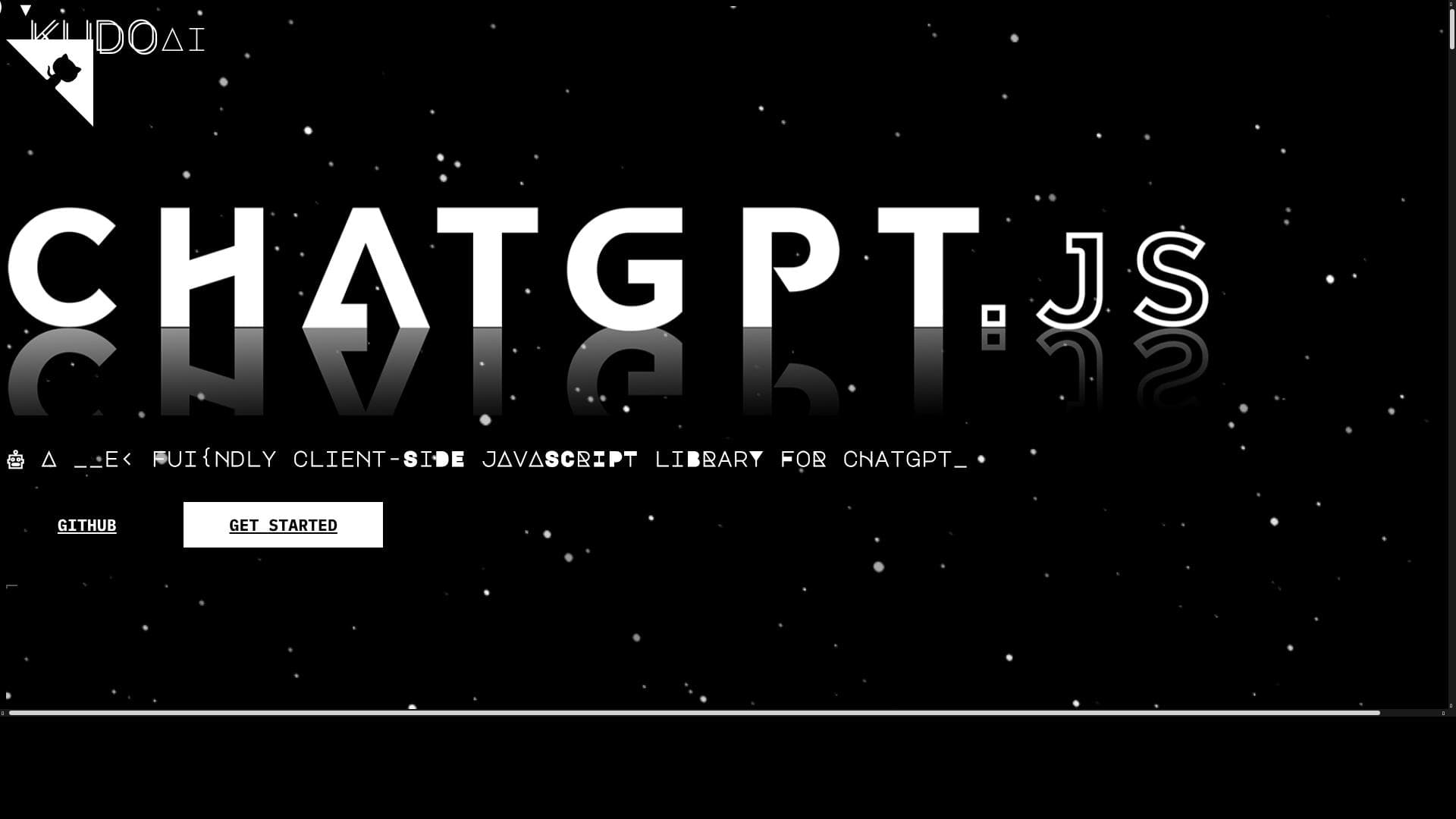
chatgpt.js is a lightweight, feature-rich JavaScript library that enables effortless client-side interaction with the ChatGPT DOM, making it ideal for developers looking to integrate conversational AI directly into web applications. Its open-source nature, ease of use, and strong community adoption set it apart as a go-to solution for embedding ChatGPT functionalities seamlessly.
chatgpt.js is a robust and lightweight JavaScript library designed to facilitate seamless interaction with the ChatGPT DOM, enabling developers to integrate ChatGPT functionalities directly into their web applications with minimal effort. At its core, chatgpt.js serves as a client-side library that abstracts the complexities of handling ChatGPT's interface elements, providing an object-oriented and feature-rich API that simplifies DOM manipulation and interaction. This makes it an essential tool for developers looking to embed conversational AI capabilities into their projects without dealing with low-level implementation details. One of the standout features of chatgpt.js is its ease of use combined with optimal performance. The library is engineered to be lightweight, ensuring that it does not bloat the application or degrade user experience, while still offering a comprehensive set of functionalities. It is free and open source, which encourages community contributions and transparency, and has garnered significant popularity with over 200,000 monthly hits on jsDelivr and more than 1,500 stars on GitHub. These metrics highlight its reliability and widespread adoption among developers. The object-oriented design pattern employed by chatgpt.js allows for modular and maintainable code, making it easier to extend and customize for specific use cases. chatgpt.js is particularly well-suited for web developers, software engineers, and AI enthusiasts who want to embed ChatGPT-powered conversational interfaces into their websites or applications. Whether it is for creating interactive chatbots, enhancing customer support portals, or building AI-driven content generation tools, chatgpt.js provides a straightforward integration path. Its client-side nature means it can be used in a variety of environments without requiring server-side processing, which simplifies deployment and reduces latency. Regarding pricing, chatgpt.js is completely free to use, with no paid plans or subscriptions. Being open source, it offers full access to its source code, allowing developers to audit, modify, or extend the library as needed. This makes it an attractive option for startups, individual developers, and organizations looking to incorporate ChatGPT functionalities without incurring additional costs. When compared to alternative solutions, chatgpt.js stands out due to its focus on direct DOM interaction with ChatGPT, rather than relying solely on API calls or server-side wrappers. This approach provides a more native feel and can be advantageous for projects that require tight integration with the ChatGPT interface. While other libraries might offer broader AI capabilities or backend integrations, chatgpt.js excels in client-side simplicity and performance. However, it is important to note that since it operates on the client side, it may have limitations in scenarios requiring heavy backend processing or advanced customization beyond DOM manipulation. Potential limitations include dependency on the ChatGPT web interface structure, which means that any significant changes to ChatGPT’s DOM by OpenAI could require updates to the library. Additionally, as a client-side library, chatgpt.js might not be suitable for applications demanding high security or server-side control over AI interactions. Developers should also consider that while the library simplifies integration, a basic understanding of JavaScript and DOM manipulation is necessary to leverage its full potential. In summary, chatgpt.js is a powerful, easy-to-use JavaScript library that enables developers to embed ChatGPT functionalities directly into web applications with minimal overhead. Its lightweight design, open-source nature, and strong community support make it an excellent choice for those seeking efficient client-side integration of conversational AI. While it has some limitations related to its client-side scope and dependency on ChatGPT’s DOM structure, its benefits in ease of use and performance make it a valuable tool in the AI developer’s toolkit.

Description
chatgpt.js is a lightweight, feature-rich JavaScript library that enables effortless client-side interaction with the ChatGPT DOM, making it ideal for developers looking to integrate conversational AI directly into web applications. Its open-source nature, ease of use, and strong community adoption set it apart as a go-to solution for embedding ChatGPT functionalities seamlessly.
chatgpt.js is a robust and lightweight JavaScript library designed to facilitate seamless interaction with the ChatGPT DOM, enabling developers to integrate ChatGPT functionalities directly into their web applications with minimal effort. At its core, chatgpt.js serves as a client-side library that abstracts the complexities of handling ChatGPT's interface elements, providing an object-oriented and feature-rich API that simplifies DOM manipulation and interaction. This makes it an essential tool for developers looking to embed conversational AI capabilities into their projects without dealing with low-level implementation details. One of the standout features of chatgpt.js is its ease of use combined with optimal performance. The library is engineered to be lightweight, ensuring that it does not bloat the application or degrade user experience, while still offering a comprehensive set of functionalities. It is free and open source, which encourages community contributions and transparency, and has garnered significant popularity with over 200,000 monthly hits on jsDelivr and more than 1,500 stars on GitHub. These metrics highlight its reliability and widespread adoption among developers. The object-oriented design pattern employed by chatgpt.js allows for modular and maintainable code, making it easier to extend and customize for specific use cases. chatgpt.js is particularly well-suited for web developers, software engineers, and AI enthusiasts who want to embed ChatGPT-powered conversational interfaces into their websites or applications. Whether it is for creating interactive chatbots, enhancing customer support portals, or building AI-driven content generation tools, chatgpt.js provides a straightforward integration path. Its client-side nature means it can be used in a variety of environments without requiring server-side processing, which simplifies deployment and reduces latency. Regarding pricing, chatgpt.js is completely free to use, with no paid plans or subscriptions. Being open source, it offers full access to its source code, allowing developers to audit, modify, or extend the library as needed. This makes it an attractive option for startups, individual developers, and organizations looking to incorporate ChatGPT functionalities without incurring additional costs. When compared to alternative solutions, chatgpt.js stands out due to its focus on direct DOM interaction with ChatGPT, rather than relying solely on API calls or server-side wrappers. This approach provides a more native feel and can be advantageous for projects that require tight integration with the ChatGPT interface. While other libraries might offer broader AI capabilities or backend integrations, chatgpt.js excels in client-side simplicity and performance. However, it is important to note that since it operates on the client side, it may have limitations in scenarios requiring heavy backend processing or advanced customization beyond DOM manipulation. Potential limitations include dependency on the ChatGPT web interface structure, which means that any significant changes to ChatGPT’s DOM by OpenAI could require updates to the library. Additionally, as a client-side library, chatgpt.js might not be suitable for applications demanding high security or server-side control over AI interactions. Developers should also consider that while the library simplifies integration, a basic understanding of JavaScript and DOM manipulation is necessary to leverage its full potential. In summary, chatgpt.js is a powerful, easy-to-use JavaScript library that enables developers to embed ChatGPT functionalities directly into web applications with minimal overhead. Its lightweight design, open-source nature, and strong community support make it an excellent choice for those seeking efficient client-side integration of conversational AI. While it has some limitations related to its client-side scope and dependency on ChatGPT’s DOM structure, its benefits in ease of use and performance make it a valuable tool in the AI developer’s toolkit.
Tool Features
- Client-side JavaScript library for ChatGPT
- Free and open source
- High popularity with 200k+ monthly jsDelivr hits
- 1.5k+ stars on GitHub
- Easy integration for web applications
Frequently Asked Questions
What is chatgpt.js?
chatgpt.js is a client-side JavaScript library designed to simplify interaction with the ChatGPT DOM, allowing developers to easily integrate ChatGPT functionalities into their web applications through an object-oriented and lightweight API.
How much does chatgpt.js cost?
chatgpt.js is completely free to use and open source, with no paid plans or subscription fees.
Who is chatgpt.js best for?
It is best suited for web developers, software engineers, and AI enthusiasts who want to embed ChatGPT-powered conversational interfaces into their websites or applications with minimal setup.
What are the main features of chatgpt.js?
Key features include client-side operation, object-oriented design, ease of use, lightweight and performant architecture, free and open-source availability, high popularity with over 200k monthly jsDelivr hits, and easy integration into web applications.
Does chatgpt.js offer a free trial?
Since chatgpt.js is free and open source, there is no need for a free trial; developers can use and modify it immediately without restrictions.
What integrations does chatgpt.js support?
chatgpt.js primarily integrates with the ChatGPT web interface by interacting with its DOM, making it suitable for web applications that want to embed ChatGPT functionalities client-side.
How does chatgpt.js work?
chatgpt.js works by providing an object-oriented JavaScript API that interacts directly with the ChatGPT DOM elements on the client side, enabling developers to programmatically control and extend ChatGPT’s conversational interface within their web apps.
Socials
Use ToolSponsored Tools

































Reviews
No reviews yet. Be the first to share your experience.