AI NewsBank of America kindly asks that you don’t share your banking password with your AI assistant
Bank of America kindly asks that you don’t share your banking password with your AI assistant
3:54 AM IST · October 28, 2026

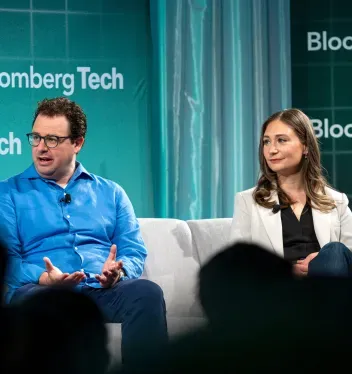
Financial giant Bank of America is reminding customers to bank safely by kindlynotsharing your banking credentials with your AI agent. In an email blast to customers titled “Protecting your finances in the Al World,” Bank of America urged customers to never share their username and password with another person or an outside service, “including an Al-enabled tool or agent that offers to act on your behalf.” You can practicallysensethe frustration in the person sending the email. Still, customers are increasingly handing over their log-ins as personal AI assistantsgrow more popular. Sharing your banking username and password with an AI assistant runs the risk that it could do something with your finances without your knowledge, or that your bank thinks someone’s raiding your account and locks you out of it. Worse, a security flaw in the AI assistant could result in it leaking your banking credentials elsewhere, giving financially motivated hackers a way into your bank account. This latest warning comes as banks are still exploring how AI agents fit into the financial world but are reportedly grappling withunauthorized agents accessing their customers’ money. As wediscussed onstageatTechCrunch Disrupt, banks, payment providers, and processors are still trying to figure out how to allow customers access to their bank accounts using AI tools, such as for agentic payments, which allow people to set agents to autonomously buy things at the best price or the right time. Bank of America did not immediately respond to a request for comment about the email. But heed the bank’s warning, for if things go wrong, it’s on you. Account agreements at most banks holdcustomers responsiblefor anyone they give their log-in to. “If you do share your credentials,” its email reads, “keep in mind that you’re responsible for activity resulting from that access.” (viaBryan Toporek)
read more