Description
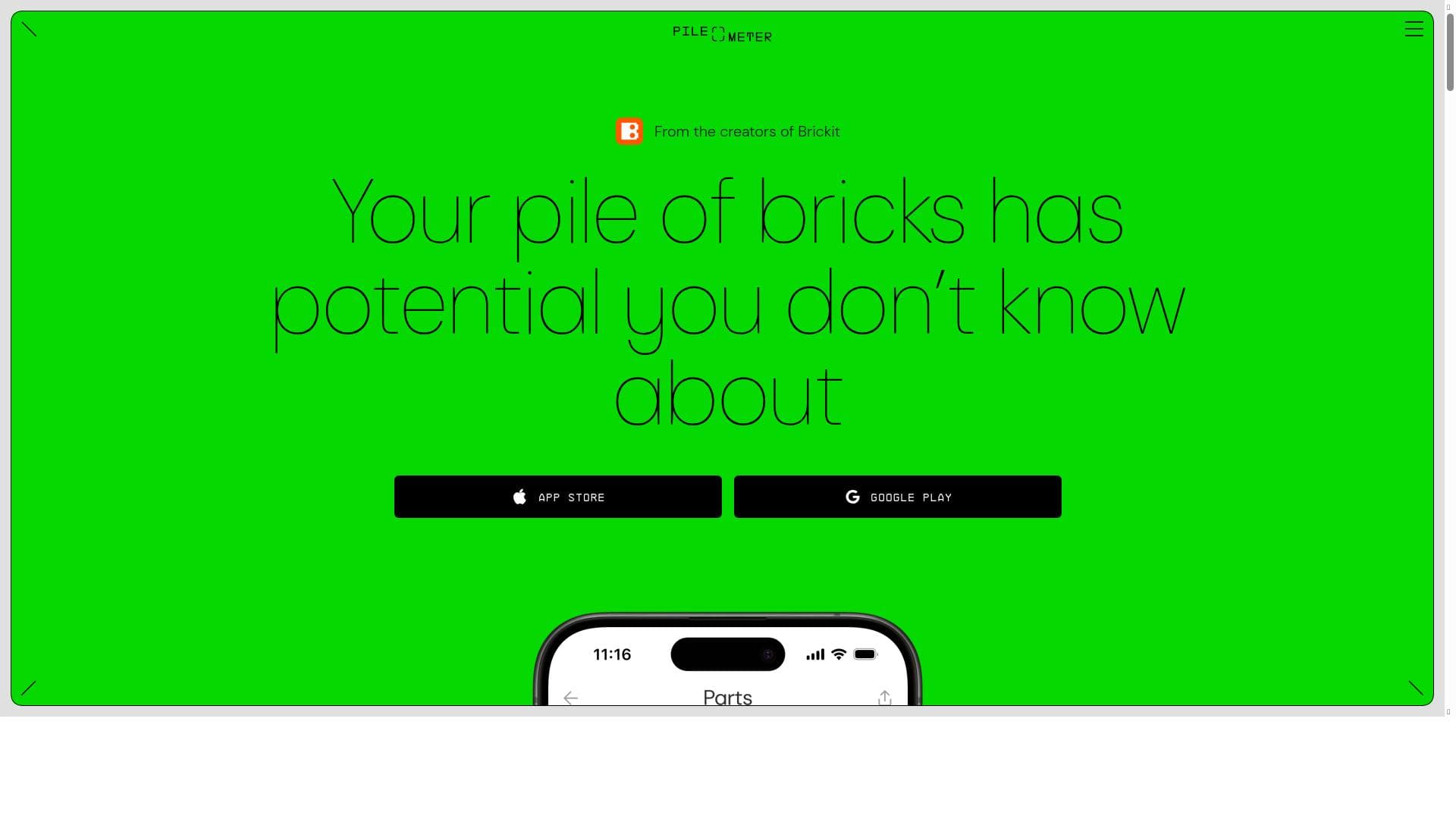
Pileometer revolutionizes brick building by combining AI-powered recognition with smart inventory and organizational tools, making it perfect for hobbyists and professionals alike. It streamlines brick management, sparks creativity with design discoveries, and helps users build complex creations with ease.
Pileometer is an innovative AI-powered tool designed specifically for enthusiasts and professionals who enjoy building with bricks, whether for hobbyist projects or complex architectural creations. At its core, Pileometer leverages advanced recognition technology to help users efficiently manage their brick collections, streamline inventory tracking, and enhance organizational workflows. This tool transforms the often chaotic and time-consuming process of sorting and cataloging bricks into a seamless, enjoyable experience, rekindling the joy and creativity that building with bricks originally inspired. One of the standout features of Pileometer is its efficient bricks management system. Using cutting-edge image recognition and AI algorithms, the tool can identify and categorize various brick types quickly and accurately. This capability allows users to maintain a detailed inventory of their parts, ensuring that no piece is lost or overlooked. The inventory tracking feature provides real-time updates on available bricks, helping users plan their builds more effectively and avoid unnecessary purchases. Additionally, Pileometer offers robust organizational tools designed to optimize brick handling. These tools include customizable sorting options, visual mapping of brick collections, and suggestions for grouping bricks by size, color, or type, all aimed at maximizing workspace efficiency. Pileometer is ideal for a wide range of users, from casual builders who want to rediscover the joy of their childhood hobbies to professional designers and architects who require precise inventory management for complex projects. Hobbyists benefit from the intuitive interface and the ability to explore new building designs curated by the platform, while professionals appreciate the detailed tracking and organizational features that support large-scale construction efforts. Educators and workshop facilitators can also leverage Pileometer to manage classroom resources and inspire creativity among students. In terms of pricing, Pileometer operates on a freemium model. The free tier provides access to essential features such as basic brick recognition, inventory tracking, and organizational tools, making it accessible to casual users and beginners. For more advanced capabilities, including enhanced recognition accuracy, expanded inventory limits, and priority support, users can upgrade to premium plans. These paid options are competitively priced, offering excellent value for serious builders and professionals who require comprehensive management solutions. Compared to alternative tools in the market, Pileometer stands out due to its specialized focus on brick building combined with AI-driven recognition technology. While other inventory or organizational apps may offer generic solutions, Pileometer’s tailored approach provides unmatched accuracy and usability for brick enthusiasts. Its integration of discovery features that suggest fascinating building designs further differentiates it, fostering creativity alongside practical management. However, some competitors might offer broader integration with other design software or physical hardware, which Pileometer may not fully support yet. Notable limitations of Pileometer include its reliance on image recognition, which may occasionally misidentify rare or custom bricks, especially in poor lighting conditions. Users with extremely large or highly diverse collections might encounter challenges in managing every piece perfectly without manual adjustments. Additionally, while the freemium model is generous, some advanced features require a subscription, which might be a consideration for budget-conscious users. Despite these factors, Pileometer remains a powerful and user-friendly tool that significantly enhances the brick-building experience for a wide audience.

Description
Pileometer revolutionizes brick building by combining AI-powered recognition with smart inventory and organizational tools, making it perfect for hobbyists and professionals alike. It streamlines brick management, sparks creativity with design discoveries, and helps users build complex creations with ease.
Pileometer is an innovative AI-powered tool designed specifically for enthusiasts and professionals who enjoy building with bricks, whether for hobbyist projects or complex architectural creations. At its core, Pileometer leverages advanced recognition technology to help users efficiently manage their brick collections, streamline inventory tracking, and enhance organizational workflows. This tool transforms the often chaotic and time-consuming process of sorting and cataloging bricks into a seamless, enjoyable experience, rekindling the joy and creativity that building with bricks originally inspired. One of the standout features of Pileometer is its efficient bricks management system. Using cutting-edge image recognition and AI algorithms, the tool can identify and categorize various brick types quickly and accurately. This capability allows users to maintain a detailed inventory of their parts, ensuring that no piece is lost or overlooked. The inventory tracking feature provides real-time updates on available bricks, helping users plan their builds more effectively and avoid unnecessary purchases. Additionally, Pileometer offers robust organizational tools designed to optimize brick handling. These tools include customizable sorting options, visual mapping of brick collections, and suggestions for grouping bricks by size, color, or type, all aimed at maximizing workspace efficiency. Pileometer is ideal for a wide range of users, from casual builders who want to rediscover the joy of their childhood hobbies to professional designers and architects who require precise inventory management for complex projects. Hobbyists benefit from the intuitive interface and the ability to explore new building designs curated by the platform, while professionals appreciate the detailed tracking and organizational features that support large-scale construction efforts. Educators and workshop facilitators can also leverage Pileometer to manage classroom resources and inspire creativity among students. In terms of pricing, Pileometer operates on a freemium model. The free tier provides access to essential features such as basic brick recognition, inventory tracking, and organizational tools, making it accessible to casual users and beginners. For more advanced capabilities, including enhanced recognition accuracy, expanded inventory limits, and priority support, users can upgrade to premium plans. These paid options are competitively priced, offering excellent value for serious builders and professionals who require comprehensive management solutions. Compared to alternative tools in the market, Pileometer stands out due to its specialized focus on brick building combined with AI-driven recognition technology. While other inventory or organizational apps may offer generic solutions, Pileometer’s tailored approach provides unmatched accuracy and usability for brick enthusiasts. Its integration of discovery features that suggest fascinating building designs further differentiates it, fostering creativity alongside practical management. However, some competitors might offer broader integration with other design software or physical hardware, which Pileometer may not fully support yet. Notable limitations of Pileometer include its reliance on image recognition, which may occasionally misidentify rare or custom bricks, especially in poor lighting conditions. Users with extremely large or highly diverse collections might encounter challenges in managing every piece perfectly without manual adjustments. Additionally, while the freemium model is generous, some advanced features require a subscription, which might be a consideration for budget-conscious users. Despite these factors, Pileometer remains a powerful and user-friendly tool that significantly enhances the brick-building experience for a wide audience.
Tool Features
- Efficient bricks management
- Inventory tracking
- Organizational tools for brick handling
Frequently Asked Questions
What is Pileometer?
Pileometer is an AI-driven tool designed to help brick building enthusiasts and professionals organize their parts, track inventory, and discover new building designs using advanced recognition technology.
How much does Pileometer cost?
Pileometer offers a freemium pricing model with a free tier that includes basic features, and premium subscription plans that unlock advanced capabilities such as enhanced recognition accuracy and expanded inventory limits.
Who is Pileometer best for?
Pileometer is ideal for hobbyists, professional designers, architects, and educators who work with bricks and want to efficiently manage their collections while exploring creative building ideas.
What are the main features of Pileometer?
Key features include efficient bricks management through AI recognition, real-time inventory tracking, and organizational tools that help users sort and handle bricks effectively.
Does Pileometer offer a free trial?
Yes, Pileometer provides a free tier with essential features, allowing users to try the tool before deciding to upgrade to premium plans.
What integrations does Pileometer support?
Currently, Pileometer focuses on its core brick recognition and management capabilities; specific third-party integrations are limited but may expand as the platform evolves.
How does Pileometer work?
Pileometer uses cutting-edge AI recognition technology to identify and categorize bricks from images, enabling users to track inventory, organize parts, and discover new building designs all within one platform.
Socials
Use ToolSponsored Tools










































Reviews
No reviews yet. Be the first to share your experience.