Description
Google Whisk transforms image generation by using other images as prompts, allowing users to effortlessly create unique visuals without complex text inputs. Ideal for creatives and marketers, it combines seamless Google integration with AI-powered automation to boost productivity and creativity.
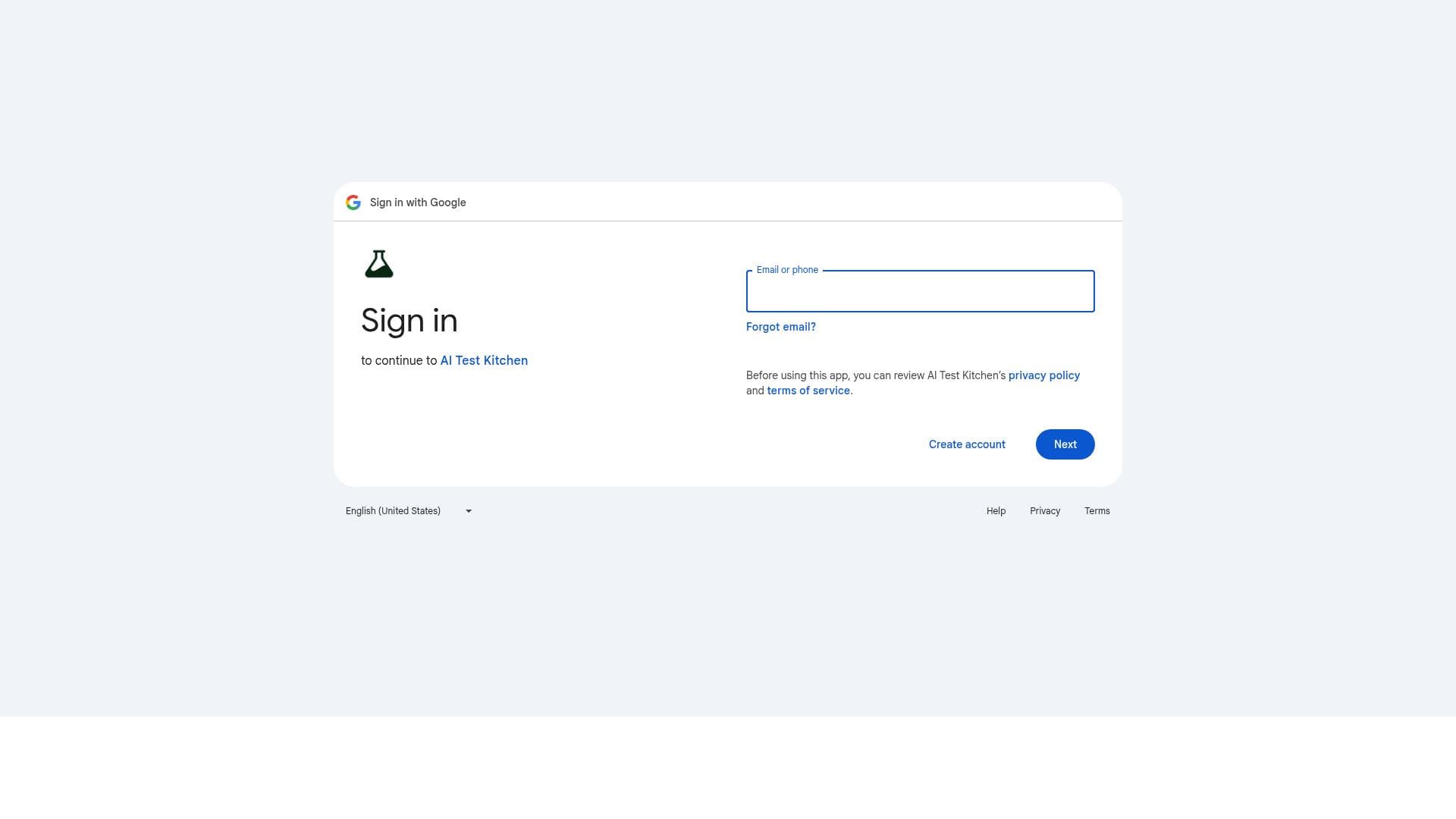
Google Whisk is an innovative AI-powered tool developed by Google that revolutionizes the way users generate images by leveraging other images as prompts rather than relying on traditional text-based inputs. The core purpose of Whisk is to simplify and enhance the creative process by allowing users to drag and drop images representing the subject, scene, and style, which the AI then intelligently remixes to produce unique, personalized visuals. This approach eliminates the need for complex, lengthy text prompts, making image generation more intuitive and accessible to a broader audience, including those without specialized knowledge in prompt engineering or graphic design. One of the standout features of Google Whisk is its seamless integration with Google accounts, which ensures a smooth user experience by leveraging existing authentication and data synchronization mechanisms. This integration supports OAuth for secure sign-in, providing robust authentication and authorization to protect user data. Whisk also incorporates AI-powered task and workflow management capabilities, enabling users to organize and automate their creative projects efficiently. The tool’s user-friendly interface is designed to facilitate easy organization of tasks and images, making it ideal for both individual creators and teams collaborating on visual content. Real-time data synchronization ensures that changes and updates are instantly reflected across devices, enhancing productivity and collaboration. Google Whisk is particularly well-suited for digital artists, marketers, content creators, and anyone involved in visual storytelling who seeks a fast and flexible way to generate custom images without the constraints of text-based prompts. For example, a marketer can quickly create campaign visuals by combining images of products, desired settings, and artistic styles, while a digital artist might experiment with different stylistic elements to inspire new artwork. Its automation features also make it valuable for workflow optimization, allowing users to streamline repetitive tasks and focus more on creative decision-making. The tool is offered under a freemium pricing model, making it accessible to a wide range of users. The free tier provides essential features and limited usage, which is ideal for casual users or those wanting to explore the tool’s capabilities before committing. Paid plans likely unlock advanced functionalities, higher usage limits, and enhanced support, catering to professional users and teams requiring more robust features and scalability. Compared to alternative AI image generation tools that predominantly rely on text prompts, Google Whisk’s image-based prompting system offers a distinct advantage by enabling more direct and visual input, which can lead to more precise and relevant outputs. Its deep integration with Google’s ecosystem also provides a seamless experience unmatched by many standalone AI tools. However, users should consider that the tool’s reliance on image inputs may require access to suitable source images, which could be a limitation for those without a large image library. Additionally, as a relatively new tool, Whisk may still be evolving in terms of feature depth and community support compared to more established platforms. In summary, Google Whisk stands out as a cutting-edge AI image generation tool that leverages visual prompts to create personalized images effortlessly. Its strong integration with Google services, combined with AI-driven task management and automation, makes it a powerful asset for creatives and professionals alike. While its freemium model offers a risk-free entry point, prospective users should weigh their specific needs and image resources when considering Whisk as part of their creative toolkit.

Description
Google Whisk transforms image generation by using other images as prompts, allowing users to effortlessly create unique visuals without complex text inputs. Ideal for creatives and marketers, it combines seamless Google integration with AI-powered automation to boost productivity and creativity.
Google Whisk is an innovative AI-powered tool developed by Google that revolutionizes the way users generate images by leveraging other images as prompts rather than relying on traditional text-based inputs. The core purpose of Whisk is to simplify and enhance the creative process by allowing users to drag and drop images representing the subject, scene, and style, which the AI then intelligently remixes to produce unique, personalized visuals. This approach eliminates the need for complex, lengthy text prompts, making image generation more intuitive and accessible to a broader audience, including those without specialized knowledge in prompt engineering or graphic design. One of the standout features of Google Whisk is its seamless integration with Google accounts, which ensures a smooth user experience by leveraging existing authentication and data synchronization mechanisms. This integration supports OAuth for secure sign-in, providing robust authentication and authorization to protect user data. Whisk also incorporates AI-powered task and workflow management capabilities, enabling users to organize and automate their creative projects efficiently. The tool’s user-friendly interface is designed to facilitate easy organization of tasks and images, making it ideal for both individual creators and teams collaborating on visual content. Real-time data synchronization ensures that changes and updates are instantly reflected across devices, enhancing productivity and collaboration. Google Whisk is particularly well-suited for digital artists, marketers, content creators, and anyone involved in visual storytelling who seeks a fast and flexible way to generate custom images without the constraints of text-based prompts. For example, a marketer can quickly create campaign visuals by combining images of products, desired settings, and artistic styles, while a digital artist might experiment with different stylistic elements to inspire new artwork. Its automation features also make it valuable for workflow optimization, allowing users to streamline repetitive tasks and focus more on creative decision-making. The tool is offered under a freemium pricing model, making it accessible to a wide range of users. The free tier provides essential features and limited usage, which is ideal for casual users or those wanting to explore the tool’s capabilities before committing. Paid plans likely unlock advanced functionalities, higher usage limits, and enhanced support, catering to professional users and teams requiring more robust features and scalability. Compared to alternative AI image generation tools that predominantly rely on text prompts, Google Whisk’s image-based prompting system offers a distinct advantage by enabling more direct and visual input, which can lead to more precise and relevant outputs. Its deep integration with Google’s ecosystem also provides a seamless experience unmatched by many standalone AI tools. However, users should consider that the tool’s reliance on image inputs may require access to suitable source images, which could be a limitation for those without a large image library. Additionally, as a relatively new tool, Whisk may still be evolving in terms of feature depth and community support compared to more established platforms. In summary, Google Whisk stands out as a cutting-edge AI image generation tool that leverages visual prompts to create personalized images effortlessly. Its strong integration with Google services, combined with AI-driven task management and automation, makes it a powerful asset for creatives and professionals alike. While its freemium model offers a risk-free entry point, prospective users should weigh their specific needs and image resources when considering Whisk as part of their creative toolkit.
Tool Features
- Seamless integration with Google accounts
- AI-powered task and workflow management
- Enhanced productivity through automation
- User-friendly interface for organizing tasks
- Secure authentication and authorization
- Supports OAuth for secure sign-in
- Real-time data synchronization
Frequently Asked Questions
What is Google Whisk?
Google Whisk is an AI-powered image generation tool that allows users to create unique visuals by using other images as prompts. Instead of typing long text descriptions, users drag and drop images representing the subject, scene, and style, which the AI then remixes to produce personalized images.
How much does Google Whisk cost?
Google Whisk operates on a freemium pricing model. The free tier provides access to basic features and limited usage, while paid plans offer advanced functionalities, higher usage limits, and additional support tailored for professional users and teams.
Who is Google Whisk best for?
Google Whisk is ideal for digital artists, marketers, content creators, and anyone involved in visual storytelling who wants to generate custom images quickly and intuitively without relying on complex text prompts. It’s also beneficial for teams seeking to streamline creative workflows.
What are the main features of Google Whisk?
Key features include seamless integration with Google accounts, AI-powered task and workflow management, enhanced productivity through automation, a user-friendly interface for organizing tasks, secure authentication with OAuth support, and real-time data synchronization across devices.
Does Google Whisk offer a free trial?
Yes, Google Whisk offers a freemium plan that allows users to access essential features for free, enabling them to try the tool and explore its capabilities before opting for paid plans.
What integrations does Google Whisk support?
Google Whisk integrates seamlessly with Google accounts and supports OAuth for secure sign-in. This integration ensures smooth authentication, authorization, and real-time synchronization within the Google ecosystem.
How does Google Whisk work?
Users generate images by dragging and dropping images that represent the subject, scene, and style into the tool. Google Whisk’s AI then analyzes and remixes these visual inputs to create unique, personalized images without the need for lengthy text prompts.
Sponsored Tools





























Reviews
No reviews yet. Be the first to share your experience.