Latest AI News

Trump unveils his new Super Intelligence Force
As promised, President Donald Trump has announced the formation of a new Super Intelligence Force, which he said will be led by national intelligence director Jay Clayton and other members of his administration. “The Super Intelligence Force is tasked with coordinating the effort of the Federal Government to ensure that America continues to lead the World in Super Intelligence, which many say is bigger than the Industrial Revolution, and the Internet, and will protect the interests, and improve the lives, of all Americans,” Trump said ina Sunday morning poston his social network Truth Social. Back in September, in response to an AI safety debate that the president haslargely dismissed as a hoax created by “Radical Left Dumocrats,”Trump said he would nevertheless form an AI Force and appoint an AI czar (“Only High I.Q. individuals need apply!”). Since then, Trump signed an executive order seeking torebrand AI as “super intelligence,”a term seemingly embraced,with some stumbles, by the tech executives who gathered at the White House this week to sign a non-binding safety pledge. (The pledgeincluded an impressive typo.) So it’s only natural that Trump’s new task force is named in accordance with this new branding.The Wall Street Journal reportsthat Clayton will chair the Super Intelligence Force, effectively making him the new AI/SI czar, with Federal Trade Commission Chair Andrew Ferguson, Undersecretary of War for Research and Engineering Emil Michael, and Office of Personnel Management Director Scott Kupor serving as vice chairs. The task force will have reportedly 120 days to create a report on the risks and opportunities presented by AI. Clayton, whopreviously saidthat it would be irresponsible for the United States to “back away” from AI while countries like China advance, made similar comments to the WSJ, insisting that one of the biggest risks is “not being first.” The task force’s charter reportedly says that it will “develop plans for responding to SI-enabled threats to our society, while preventing overregulation and regulatory capture that would stifle innovation and competition.”
View

Not Just GTA 6, Your Next Favourite Game Faces Delays as AI Eats Up GPUs
For some gaming studios in India, GPU availability is crucial. But others, particularly mobile developers, bet on neoclouds to sidestep memory shortages.
View
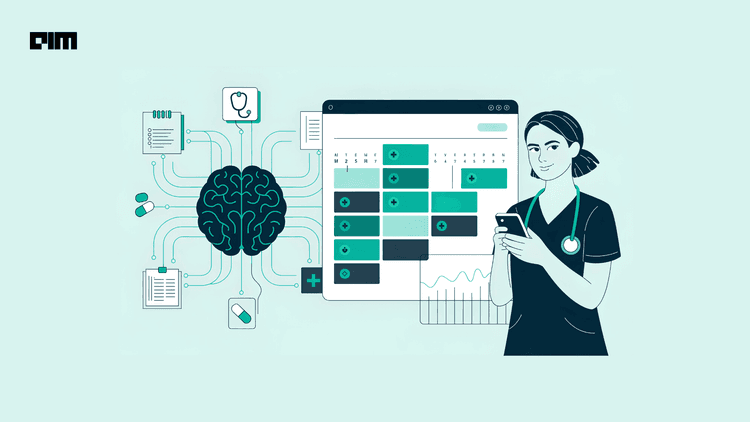
This Edtech Startup's 'Nursing Brain' Tells Students What to Study Next
NPrep combines its AI-powered Nursing Brain, learner data, and a recommendation engine to personalise exam preparation for nursing students.
View

Amazon responds to data center backlash, says it no longer uses NDAs
Amazon Web Services CEO Matt Garman said the company hasstopped using nondisclosure agreements(NDAs) in its dealings with government agencies as it seeks approval to build new data centers. Garman’s statement is just one sentence ina longer blog postin which he tried to push back against widespread suspicion of data centers, and to make the case that they’re actually good for communities. NDAs are a significant piece of the broader data center backlash. For example, environmental activist Erin Brockovich recently said thatthe number one complaint she’s heard about data centers is transparency, with these projects following a common pattern: “projects announced after permits are already secured, developers who don’t return calls, local officials who signed NDAs before their neighbors knew a project was being considered.” As a result of that backlash,New York announced a one-year moratorium on permits for large data centers, and according to Garman, there are more than 100 data center moratoriums currently being considered across the United States. “If these measures are enacted, the U.S. could be writing its own losing ticket to this race, and the consequences would last generations,” Garman claimed. “As a country, we can’t afford to find ourselves in that position.” Garman also attempted to puncture what he said are four big myths around data centers: that they consume too much water, that they increase electricity costs, that they emit an enormous amount of pollution, and that they don’t provide any benefits to their communities. Pointing toan Amazon report about its own water usage, Garman said that “direct data center water consumption” only accounts for 0.5% of all industrial water usage in the United States, “orders of magnitude less than golf courses, almond farming, and many other industries.” Nvidia recently said its new cooling systemeliminates “pretty much all water usage” inside the data center, but those claims — like Amazon’s — seem to ignore the broader water usage involved in electricity generation and chip manufacturing. Scientists have also saidthey need to study data centers’ water and energy usage independently, since there are no federal or state requirements around how tech companies report this data. As for electricity rates, Garman said they’ve only gone up in some states with large numbers of data centers, while they’ve gone down or at least grown more slowly in others. And he argued, “In instances where energy rates are going up, it’s primarily because the grid is old and hasn’t been invested in and expanded before the demand arrived.” On the other hand, an independent watchdog said recently data centers werethe main culprit behind a 76% year-over-year price increaseon America’s largest electrical grid. When it comes to pollution — an issue thatthe NAACP is currently suing Elon Musk’s SpaceX/xAI over— Garman complained that critics focus on the maximum amount of pollution allowed under data center permits. For example,a planned Amazon data center in Texas is permitted to release 33 million tons of carbon dioxideper year, which is more than any other power plant in the United States. “The truth is data center generators almost never run,” Garman said. “They’re idle 99.9% of the time (they run roughly 10 hours per year, mostly for required maintenance testing).” As for the community benefits, this is where Garman wrote, “We no longer use nondisclosure agreements with the government agencies we work with on our projects.” Plus, he said, “Over the past three years, Amazon has contributed more than $1 billion to communities across the U.S. in which we have a meaningful data center presence.” Will this be enough to quell community suspicion? Perhaps not — Anthropic CEO Dario Amodei recentlyargued that the AI backlash is “fundamentally a crisis of trust,” where people assume governments and tech companies are always “cooking up some new way to screw them over.” Similarly,writer Jasmine Sun notedthat when data center opponents are presented with the tech companies’ arguments, their response is usually, “I don’t believe them.”
View
All the AI agents that can live in your text messages
Rather than downloading another app, a growing number of agents can simply be texted like an ordinary person. You text it what you need, and it can remember context, connect to the apps and services you already use, and complete tasks on your behalf. That can mean scheduling an appointment, organizing a calendar, researching a trip, sending an email, making a reservation, shopping online, or reminding you about something days later. While Instinct is one of the buzziest AI agents at present,thanks to its $10 billion valuation after its latest funding roundof $1 billion, there are many others also making a play for this space. Below are some of the most notable options so far, from general-purpose personal assistants to agents designed for families, travel, and work. Caddyis an AI assistant that turns the information scattered across your phone into things you can actually act on. It lives in iMessage for iPhone users and RCS for Android users, so there’s no separate app or inbox to constantly check. For instance, an email contains an appointment that needs to be added to your calendar or a friend sends a list of things to pick up. Instead of worrying about all the details getting buried, Caddy connects to your calendars and conversations, then identifies things that may require action. It can add events to your calendar, set reminders, keep track of follow-ups, and even do research for you. Caddy has been available in public beta since April 2026. Fambotis an AI-powered “chief of staff” for families, designed to bring together the many moving parts of family life, including school communications, sports activities, meal planning, calendars, and other day-to-day responsibilities, and turn them into an organized plan. The service is designed to work across both an app and text messages. Fambot is available on iOS devices, Android devices, and the web, and families can also interact with it directly over SMS. Every night, Fambot automatically sends a summary of the following day, including upcoming events, to-dos, and details such as school uniform or packing requirements. Parents can reply to those messages to ask questions, check information, or make changes to their calendar. Fambot currently connects to Gmail and Google Calendar, with support for Outlook and Apple Calendar planned for the future. The companylaunchedin beta in early September 2026 and has raised $3.5 million in pre-seed funding. The service is currently free during the beta period, but Fambot expects to eventually charge roughly the equivalent of a Netflix subscription. Folkis designed to be an AI assistant you can reach through iMessage, WhatsApp, and Telegram. It can remember personal context, manage reminders, research topics, track flights, handle email, and perform real-world tasks such as restaurant reservations. One distinction is that Folk runs on its own private cloud computer. It can also run code and execute multi-step tasks rather than merely responding conversationally. Folk launched its beta in May 2026, and it’s available for free but also offers a Pro subscription for $8.33/month if you want unlimited tasks running in the background. Instinctfirst made headlines after raising$350 millionat a $2.5 billion valuation. In September 2026, it raised$1 billion, valuing it at $10 billion. The always-available agent can take actions on your behalf, rather than simply answer questions. Users can communicate with Instinct by text or voice and connect it to the apps and services they already use, such as email, calendar, Google Workspace, and more. The company says early users have used Instinct for tasks ranging from planning trips and buying groceries to booking tickets and cancelling subscriptions. In September, Instinct began giving usersdedicated email addressesfor their assistants. The idea is to let Instinct create and manage accounts on a user’s behalf without filling the user’s personal inbox. The agent can use its address to sign up for services, contact businesses, follow up on requests, and handle tasks that require an email account. (However, this level of autonomy has also raised concerns aboutprivacy and security.) It’s also begunrolling out support for placing calls. The company remains in private beta. Powered by Hermes agent,Irisis designed to let users delegate tasks to an AI assistant directly through iMessage. Users can connect the apps they use and hand over a task with a simple message. The agent then works through the required steps, while retaining relevant context from previous interactions. It’s also designed to follow up with users proactively rather than waiting for another request. Martinis a general-purpose personal assistant reachable through SMS as well as phone, WhatsApp, email, Slack, and its owniOSapp. It can help manage calendars, email, reminders, tasks, notes, and communications. It can also act on behalf of users by sending messages or making phone calls, while providing daily summaries of what needs attention. It’s a bit on the pricier side, with subscriptions starting at $21 per month. Misotakes the personal-assistant concept and applies it specifically to travel. It operates through iMessage and combines AI trip planning with support from a dedicated travel team. Users can arrange flights through messaging while Miso takes into account their travel preferences, loyalty points, and other priorities. Miso also gives travelers access to trip details, flight updates, along with personalized recommendations. Ohaiis another family assistant focused on helping households manage the constant stream of information and tasks involved in everyday family life. Users can send messages, forward emails, or make voice requests, and the assistant can transform them into schedules, reminders, and plans. It can also coordinate calendars, household chores, and meals across multiple members of a family. It includes a free basic option, but also offers different subscriptions based on family size, starting at $9.99 per month. Similar to the other family-focused agents, the idea behindOllieis that families already have the information they need, but it lives across school messages, calendars, task lists, and group chats. Ollie aims to bring those pieces together and keep them in sync. It can keep track of calendars, emails, reminders, tasks, and other household details, then deliver relevant information to users through text. Its biggest differentiator from other agents is thatOllieis one of the first mainstream, family-focused AI assistants to achieve SOC 2 compliance, a widely used security standard. Launched in June 2026, Ollie offers a free tier, as well as paid plans starting at $25 per month for 150 messages. A $100-per-month plan includes up to 1,000 messages. Orbitsalso has an AI assistant that is focused on the household. It works through both the Orbits app and text messaging, and can bring together calendars, lists, and conversations while also carrying out tasks for you. That can include searching the web, making purchases, booking restaurants, changing appointments, and requesting quotes for household services. Additionally, Orbits can remind family members about chores, communicate with service providers, and help coordinate responsibilities beyond the immediate household. Orbits is backed by investors like Andreessen Horowitz (a16z) Speedrun fund, N49P, and Garage Capital. Users can interact withPallyas they would with a friend while giving it access to the apps they already rely on. The assistant can connect information spread across services such as WhatsApp, Gmail, calendars, and Google Drive, helping users keep track of plans, receipts, dates, files, and other details. There’s a free plan available, which offers features like 15 minutes of calls per month, or there are paid plans, including $25 per month for 30 minutes of calls and $100 per month for 60 minutes. Pokelaunchedin March 2026 as a general-purpose assistant that you can reach through text messaging. It can handle tasks involving calendars, planning, health and fitness, smart-home controls, photos, and other everyday activities. Poke became particularly notable in June 2026 when AppleapprovedPoke as the first AI agent on the Apple Messages for Business platform. A month later, parent company The Interaction Company of California wasacquiredby AI coding startup Cognition in a deal valued in the low nine figures. Reneis an AI personal assistant designed to be a user’s “best contact” rather than another productivity agent. It’s text-based and can turn natural-language conversations into tasks, reminders, summaries, and other follow-up actions. Rene also maintains context across conversations, allowing it to remember details and surface things that may need attention later. Additionally, it has a browser, can write code, shop for you, as well as create slides and images. Rene is currently available on iMessage, Telegram, and WhatsApp. Instead of waiting for users to open an app,Skyeis an “agentic homescreen” for the iPhone that analyzes information from connected services and surfaces what it thinks is relevant through contextual cards, suggestions, and daily briefings. The assistant can generate audio briefings, prepare information ahead of meetings, surface reminders, and identify potentially useful information. The company, Signull Labs, raised about $3.6 million in seed funding in 2025. It entered private testing and beta in April 2026, and hasn’t yet announced a public release date. Stanleyis an AI content assistant aimed at content creators rather than general personal productivity. Available through iMessage, Telegram, and the web, it acts as a kind of AI head of content, helping users come up with ideas, turn them into posts, and maintain a consistent publishing schedule. For instance, Stanley can connect to a user’s Instagram account, using that context to suggest content based on what the user has actually been doing. Users can also send voice notes, which Stanley turns into scripts, captions, and other social assets. It includes a content calendar and can schedule posts, with the broader goal of making content creation a more continuous, automated process rather than something users have to sit down and plan from scratch. The biggest differentiator withTomo’s personal assistant for iMessage is that, instead of being a private assistant that only you interact with, Tomo can become part of group conversations. Also, like other agents, it’s designed to help with goals, accountability, scheduling, and everyday organization. It also has the ability to send reminders, search the web, work with calendars and email, watch videos, and edit photos. The basic plan starts at $19.99 per month. Townis aimed more at professional life. It gives users a “Townie,” an AI assistant designed to learn how they work and handle recurring professional tasks. It can work with email, calendars, documents, Slack, and other platforms. In June 2026, the company raised a$55 million Series Aled by Andreessen Horowitz and Forerunner. Wajo’s first consumer agent, Fo, can call businesses, send emails, join group chats, make bookings and purchases, and coordinate with people to complete everyday tasks. A key part of Wajo’s approach is giving Fo its own identity. The agent has its own email address, phone number, and payment card, allowing it to interact with businesses without requiring users to hand over their own credentials. Notably, when Fo encounters something it cannot handle on its own, Wajo says it can bring in a human assistant to finish the task. Fo launched publicly in September 2025 with a free tier, while heavier workloads and custom agents are available through a paid Pro offering.
View
OpenAI safety employee resigns, claiming the company’s ‘culture is broken’
By his own admission, David Robinson is “something of a cliché”: an employee at a leading AI company who issues a dire warning while resigning from their job. Inan essay published in The Atlantic, Robinson said he led the writing of safety reports that accompanied OpenAI’s major product launches. He also said that with three-and-a-half years at OpenAI, he is “among the longest-tenured employees at the company.” Now he’s quitting, because in his view, the company’s “culture is broken.” In some ways, Robinson’s comments echo those of Jacob Coxon, who worked as a researcher at both OpenAI and Anthropic beforequitting and declaring that these companies are “gambling with our lives.”Coxon’s comments led to a broader debate about AI safety, with Anthropic CEO Dario Amodeiunveiling a plan for more cautious AI development; AI executives met with President Donald Trump this week and signedwhat appeared to be hastily written, non-binding pledge to implement more safety controls. But in Robinson’s view, the debate needs to go beyond “specific rules or new laws,” addressing the overall culture at these companies. And while much of the reporting around OpenAI has focused on how the company’sCEO Sam Altman lost the trust of former colleagues, Robinson’s essay suggests that OpenAI’s culture issues are the same as those of Silicon Valley at large. “OpenAI has thrived by trial and error (which it calls ‘iterative deployment’), looking for problems and improving its guardrails in response,” he wrote. “But this approach, by its very nature, guarantees periodic failures — and the scale of those failures is growing as systems get more capable.” Pointing to the recent breach of Hugging Face systems by OpenAI agents, as well ascontinuing revelations of OpenAI discovering more rogue agents, Robinson argued, “An environment where things like this can happen is no place to grow artificial minds that could be smarter than we are and that might not do what we want them to.” Given the increased risk, Robinson argued that frontier AI companies need to start operating “like nuclear-power plants or busy airports, with layers of redundancy and careful, time-consuming planning, so that the occasional and inevitable human error does not open a door to disaster.” But Robinson said that in his time at OpenAI, he “never encountered a colleague who had experience making airplanes fly safely or nuclear reactors run without melting down, or helping the financial system grow without collapsing.” In response to Robinson’s essay, OpenAI spokesperson Drew Pusateri said the company continues to improve its safety measures. “We’re making sure our models don’t become more capable than we can safely manage and secure, and we pause training or hold back models when we need to slow down,” Pusateri said in a statement. “We’re making significant changes to strengthen security in our research and testing environments, train models to not just complete tasks but do so responsibly, expand our work with third-party evaluators, and improve real-time monitoring so we candetect and respond to concerning behavior earlier in the training process.” Beyond calling for changes in OpenAI’s culture, Robinson also said it’s time to ask bigger questions about alignment — something that he admitted could sound “touchy-feely,” but he said it’s critical as companies’ current “measures of how well” AI systems “match human values are coarse.” “The smarter the industry lets models grow while these problems remain unsolved, the more dangerous our situation becomes,” he said. Robinson’s departure wasfirst reported by Business Insider. In his essay, he also acknowledged that he’s following an apparently a common step in the AI whistleblower playbook:He’s hired a PR firm. But he insisted, “The decision to speak out is mine alone.” “Perhaps I should have stayed and fought for fundamental shifts in our staffing and culture, but in practice, my colleagues and I were so busy sprinting that we seldom had the chance to consider big changes, much less to actually make them,” Robinson said. “That’s why I concluded that stronger incentives for safety — coming from outside the company — are a big part of getting this right.”
View
What Does Open Source Mean for the Lucrative RL Environment Business?
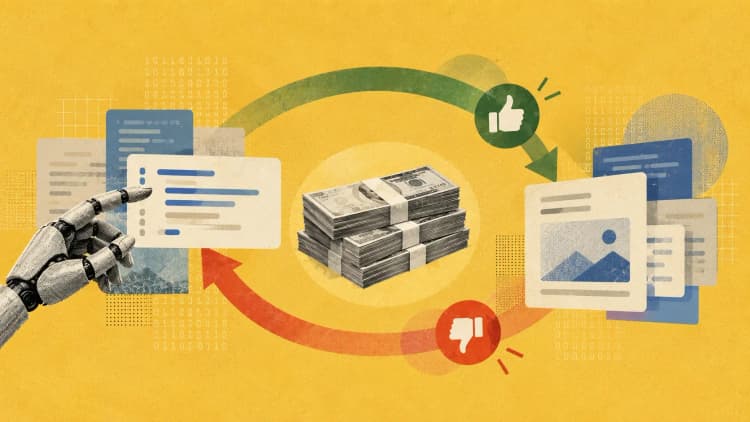
Xiaomi brings 7,000 + RL environments, which would otherwise cost millions of dollars—for free.
View
Meta wants your next gadget to be Muse-infused
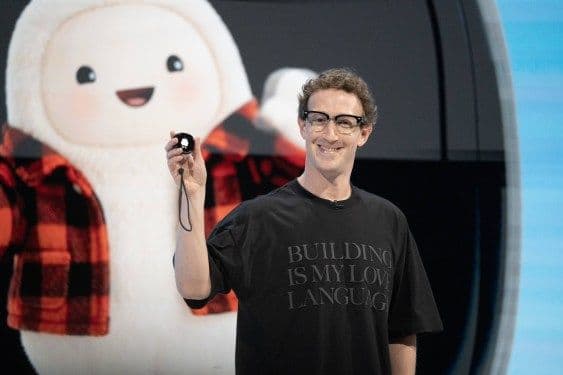
Meta’s Muse, a personal AI agent that books travel, fills out forms, and shops on a user’s behalf, has alreadyproven popularwith the masses, but a new side project could be particularly alluring to tinkerers and hackers. On Friday, the company introducedMuse Gadgets, an open-source project that lets developers build their own hardware that connects to Muse. Meta is providing open-source firmware (the low-level software that runs a device), and a Linux software development kit (SDK), along with a few project ideas to get users started. These include giving Muse a color e-ink display or loading it onto a stick that plugs into a TV’s HDMI port. There don’t appear to be many limits, either. Users can set up a low-cost hobbyist computer like a Raspberry Pi or an off-the-shelf ESP32 board, and then connect Muse “to your displays, buttons, sensors, actuators, and whatever else you’ve got lying on your workbench,” Meta notes. The company has also set up a Discord channel to support users. Meta has already tried the code itself, naturally. Nat Friedman, head of product at Meta’s Superintelligence Labs, said ina post on Xthat the company built a gadget called Muse Home Link. The USB-C-powered device lets Muse connect to a home network and talk to the smart devices on it, including speakers and smart TVs. Meta made 5,000 of these Home Links, in fact, and is giving them away for free to Muse subscribers while supplies last, according to Friedman. Considering Friedman’s post about Home Link received nearly 30,000 views in a few hours, we’re guessing those freebies have been claimed. Friedman said Home Link would be ready to ship a few weeks. Muse Gadgets may not have wide appeal, but it fits nicely into Meta’s all-in strategy to make Muse more than a standalone chatbot. Meta isn’t content to push Muse on everyday consumers; it’s also trying to woosmall businessesand enterprises. The company earlier this week introduced Muse for Small Business, which is free with usage limits and connects Muse to tools such as Shopify, Dropbox, and Slack. It has also launched a new business unit, Meta Enterprise Platform, to help it push its AI offerings to businesses and corporate customers.
View

It’s not AI anymore, it’s ‘super intelligence’ (according to the White House)
Loading the player… This week, the White House got nearly every major tech CEO in one room — Zuckerberg, Bezos, Musk, and Anthropic’s Dario Amodei among them —to sign an AI safety pledgethat President Donald Trump called “morally binding.” Trump also signed anexecutive orderofficially rebranding AI as “super intelligence,” and meanwhile, Meta and OpenAI are puttingfriendlier faces on their AI products, even as the biggest money in AI still appears to be coming from the enterprise. On this episode of TechCrunch’sEquitypodcast, Kirsten Korosec, Anthony Ha, and Sean O’Kane dig into this week’s AI moves, theugly economics of consumer AI, plus the shifting IPO market and a handful of startup deals. And speaking of startups, join us at TechCrunch Disrupt 2026, where Equity will kick things off with a live show on the Builders Stage at 9 a.m.Get 25% off your tickets with code Equity25. Subscribe to Equity onYouTube,Apple Podcasts,Overcast,Spotifyand all the casts. You can also follow Equity onXandThreads, at @EquityPod.
View

Call it AI, call it Super Intelligence, only 2% of consumers are buying it
This week, the White House got nearly every major tech CEO in one room — Zuckerberg, Bezos, Musk, and Anthropic’s Dario Amodei among them —to sign an AI safety pledgethat President Donald Trump called “morally binding.” Trump also signed anexecutive orderofficially rebranding AI as “super intelligence,” and meanwhile, Meta and OpenAI are puttingfriendlier faces on their AI products, even as the biggest money in AI still appears to be coming from the enterprise. On this episode of TechCrunch’sEquitypodcast, Kirsten Korosec, Anthony Ha, and Sean O’Kane dig into this week’s AI moves, theugly economics of consumer AI, plus the shifting IPO market and a handful of startup deals. Listen to the full episode to hear more about: Speaking of Startup Battlefield, join us at TechCrunch Disrupt 2026, where Equity will kick things off with a live show on the Builders Stage at 9 a.m.Get 25% off your tickets with code Equity25. Subscribe to Equity onYouTube,Apple Podcasts,Overcast,Spotifyand all the casts. You can also follow Equity onXandThreads, at @EquityPod.
View

Apple says it’s tightening macOS ‘Full Disk Access’ controls due to new risks from AI agents
Days after a journalist claimed that Meta’s Muse app on Mac read their private messages — aclaim that Meta disputed— Apple announced that it’s introducing additional controls around a setting called “Full Disk Access” on macOS. The feature was designed to allow backups to function properly, but AI agents have now increased “the risks associated with this level of access,” Apple said. Apple’s statement comes shortly after Inc. columnist Jason Atenreportedthat Muse knew the content of his private messages — even though he claimed to have not given the AI agent permission. The report raised questions about the level of security and trust users have in desktop-based AI, which can control things on their systems and read their files and messages. The decision to limit the Mac feature also comes after aWired reportcited that a flaw in ChatGPT’s Mac app could have allowed hackers to access sensitive data. AI agents that run on the desktop allow users to provide their respective apps with greater access to the files, messages, and other personal content on their computers by adjusting macOS settings. In Muse’s case, the AI optionally allows users to enable Full Disk Access. This setting, Apple explains, gives an app permission to access files, mail, messages, and even browsing history. “Some developers are using Full Disk Access in ways that could put users at risk, exposing everything on their systems…without users’ full knowledge and understanding,” Apple saidin a new blog postaimed at developers. The company says that, going forward, it will introduce new controls aimed at ensuring that users who “genuinely wish to grant an app this extraordinary level of access” can do so only with “very explicit user action.” “Addressing this is critical. As AI agents become increasingly capable and autonomous, the risks associated with this level of access will grow substantially. We are committed to ensuring users clearly understand these risks before granting such access, so they can make informed decisions about their own data and privacy,” Apple wrote. Apple did not respond to TechCrunch’s inquiry about the feature change.
View

Affected by layoffs? Don’t miss this $75 deal for your TechCrunch Disrupt 2026 Expo+ Pass
If you’ve been laid off, you can get a TechCrunch Disrupt 2026 Expo+ Pass for just $75. The offer is limited to the first 100 qualifying people, or until Disrupt doors open on October 13 at 8 a.m. PT. Once all 100 passes are claimed, the offer is no longer available. Join 10,000+ founders, investors, operators, and tech leadersat San Francisco’s Moscone West on October 13-15, and put yourself back in the room where new opportunities are taking shape. Meet companies and people who could help open your next door, build your network, discover new career paths, and get a closer look at what’s happening across the startup and tech ecosystem. Don’t let a layoff keep you on the sidelines.Come to Disrupt, meet new people, explore new opportunities, and take your next step.Grab your Layoff Expo+ Passbefore all 100 are claimed, or by the time Disrupt kicks off on October 13. When you’re in between jobs, networking can be critical. Disrupt gives you three full days to make meaningful connections in one place. At the center of Disrupt is the Expo Hall, where all 10,000+ attendees converge — founders, investors, tech leaders, innovators, and builders. Explore 300+ exhibiting startups, connect directly with founders and tech leaders, learn about new companies, andput yourself in the room for your next career opportunity. You don’t have to wait until Disrupt to grow your network.Start networking as soon as you buy your ticketand download the TechCrunch Events app. Use the app’s AI-powered matchmaking to discover relevant people and make connections based on your interests and goals. Then take those connections offline through 1:1 meetings, conversations in the Expo Hall, and events throughout Disrupt. Get practical insights through breakout sessionsand get your questions answered directly by the tech leaders shaping the startup and technology landscape. Take what you learn back to your job search, your next interview, or your next career move. Disrupt isn’t just about finding an open role. It’s a chance to meet people you wouldn’t encounter through a job board, learn about companies before you apply, and put yourself in conversations that can lead somewhere unexpected. YourExpo+ Passgives you access to: Learn more and secure your pass before they’re all claimed. The Expo+ Pass is designed to help you get into the heart of Disrupt, but it does not include access toindustry stages and roundtable sessions. Want the full conference experience?Explore our other ticket optionsfor access to additional Disrupt programming and experiences.
View